

ACFT Profiles & Exemptions: Scoring with Physical Limitations
 Cortney
0
21
09.22 02:17
Designed to assess a soldier's physical fitness and combat readiness, the ACFT has undergone significant changes since its inception. The Army Combat Fitness Test (ACFT) is a key component of the United States Army's physical readiness program. As we look ahead to 2026, understanding the ACFT score chart, its standards, and how to access downloadable resources is crucial for soldiers aiming to excel in their physical training.
These scores reflect the Army's commitment to maintaining a high standard of physical fitness among its personnel. The Army's focus on fitness is crucial, as it directly correlates with soldiers' ability to perform their duties effectively and safely. The passing scores for the ACFT are not merely arbitrary numbers; they are based on extensive research and testing to ensure that they accurately reflect the physical requirements of soldiers in combat situations.
To address these concerns, it is essential for the Army to provide comprehensive training and resources to support soldiers in their fitness journeys. However, the transition to the ACFT Calculator 2026 is not without its challenges. Some soldiers may struggle with the new test format or the increased physical demands it entails. By fostering a supportive environment, the army pt score calculator can help soldiers navigate the transition and ultimately enhance their performance. This includes access to fitness coaches, training programs, and educational materials that emphasize the importance of physical readiness.
This article explores the features, advantages, and implications of the ACFT Calculator 2026, highlighting its importance in the context of military readiness and soldier well-being. The introduction of the ACFT Calculator 2026 represents a significant advancement in how soldiers assess their physical fitness and readiness. Army continues to adapt to the evolving demands of modern warfare, the Army Combat Fitness Test (ACFT) has emerged as a crucial component in ensuring soldiers are physically prepared for the challenges they may face.
Each event has a maximum score of 100 points, and the calculator will provide a score for each event along with the total score. Calculate Scores: Once the data is entered, the ACFT Calculator automatically computes the scores for each event based on the Army’s scoring standards.
Female soldiers are required to throw a 4 kg medicine ball. The scoring is based on the distance thrown:
- 4.5 meters: 60 points
- 6.0 meters: 70 points
- 7.5 meters: 80 points
- 9.0 meters: 90 points
- 10.5 meters: 100 points Standing Power Throw: This event assesses explosive power.
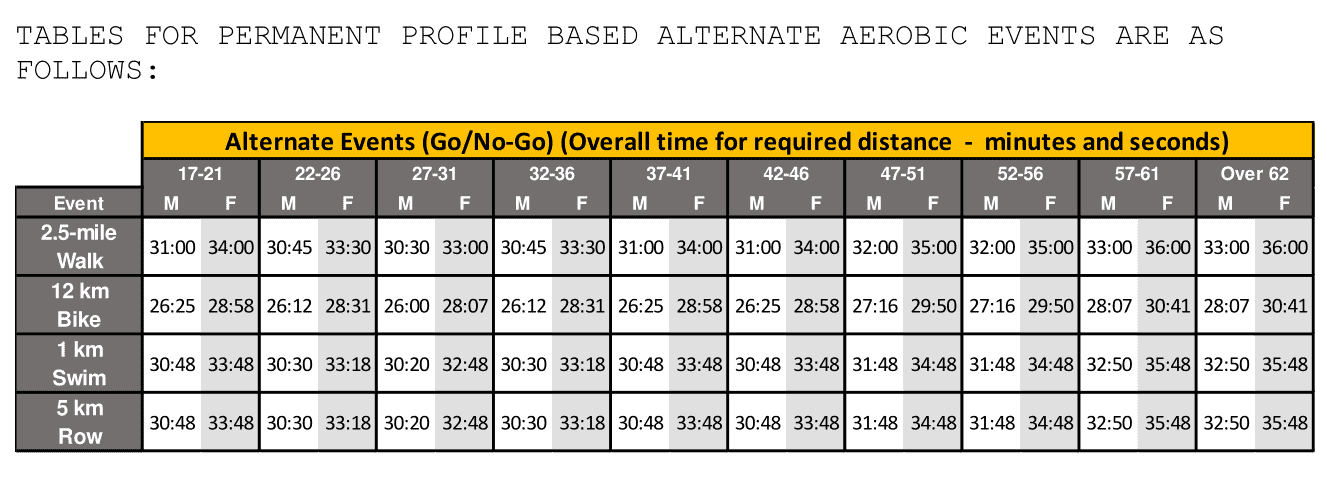
 Soldiers with profiles may be exempt from certain ACFT events or may have alternative events that they can perform to demonstrate their physical readiness. For instance, a soldier with a lower-body injury may be exempt from the two-mile run but could be required to complete a modified version of the sprint-drag-carry event. The goal is to provide an equitable assessment of fitness while accommodating individual capabilities.
This shift has been met with mixed reactions among soldiers, with some embracing the challenge while others express concerns about the increased difficulty of the test. The events in the ACFT are designed to mimic the physical tasks soldiers may encounter in the field, making the test a more accurate reflection of their readiness. One of the significant changes in the ACFT compared to the APFT is the emphasis on functional fitness.
The Army must balance the need for an inclusive fitness assessment with the need to maintain standards and accountability. Another consideration is the potential for abuse of the system. While most soldiers are honest about their limitations, there is a risk that some may seek profiles to avoid the ACFT altogether.
 The ACFT scoring standards for females are designed to ensure that all soldiers, regardless of gender, meet the physical demands required for their roles. The adjustments made to the scoring system recognize the physiological differences between male and female soldiers while still promoting a high standard of fitness and readiness.
 Achieving the passing scores not only ensures compliance with Army standards but also contributes to overall mission readiness. Soldiers are encouraged to assess their current fitness levels, set realistic goals, and engage in consistent training to improve their performance in each event. As we approach 2026, it is essential for soldiers to take the ACFT seriously and prioritize their physical fitness.
 Setting realistic and achievable goals can motivate soldiers to stay committed to their training. Practice the Events: Regularly practice each event of the ACFT to become familiar with the techniques and requirements. Incorporate Variety: Include a mix of strength training, endurance workouts, and agility drills in your training routine. Set Specific Goals: Determine target scores for each event based on the ACFT score chart and personal fitness levels. Seek Guidance: Utilize resources such as fitness trainers or online tutorials to ensure proper form and technique during training. This variety will help build overall fitness and prevent boredom. This can prevent injuries and enhance performance. This practice will help improve performance and reduce anxiety on test day.
These scores reflect the Army's commitment to maintaining a high standard of physical fitness among its personnel. The Army's focus on fitness is crucial, as it directly correlates with soldiers' ability to perform their duties effectively and safely. The passing scores for the ACFT are not merely arbitrary numbers; they are based on extensive research and testing to ensure that they accurately reflect the physical requirements of soldiers in combat situations.
To address these concerns, it is essential for the Army to provide comprehensive training and resources to support soldiers in their fitness journeys. However, the transition to the ACFT Calculator 2026 is not without its challenges. Some soldiers may struggle with the new test format or the increased physical demands it entails. By fostering a supportive environment, the army pt score calculator can help soldiers navigate the transition and ultimately enhance their performance. This includes access to fitness coaches, training programs, and educational materials that emphasize the importance of physical readiness.
This article explores the features, advantages, and implications of the ACFT Calculator 2026, highlighting its importance in the context of military readiness and soldier well-being. The introduction of the ACFT Calculator 2026 represents a significant advancement in how soldiers assess their physical fitness and readiness. Army continues to adapt to the evolving demands of modern warfare, the Army Combat Fitness Test (ACFT) has emerged as a crucial component in ensuring soldiers are physically prepared for the challenges they may face.
Each event has a maximum score of 100 points, and the calculator will provide a score for each event along with the total score. Calculate Scores: Once the data is entered, the ACFT Calculator automatically computes the scores for each event based on the Army’s scoring standards.
Female soldiers are required to throw a 4 kg medicine ball. The scoring is based on the distance thrown:
- 4.5 meters: 60 points
- 6.0 meters: 70 points
- 7.5 meters: 80 points
- 9.0 meters: 90 points
- 10.5 meters: 100 points Standing Power Throw: This event assesses explosive power.
 Soldiers with profiles may be exempt from certain ACFT events or may have alternative events that they can perform to demonstrate their physical readiness. For instance, a soldier with a lower-body injury may be exempt from the two-mile run but could be required to complete a modified version of the sprint-drag-carry event. The goal is to provide an equitable assessment of fitness while accommodating individual capabilities.
This shift has been met with mixed reactions among soldiers, with some embracing the challenge while others express concerns about the increased difficulty of the test. The events in the ACFT are designed to mimic the physical tasks soldiers may encounter in the field, making the test a more accurate reflection of their readiness. One of the significant changes in the ACFT compared to the APFT is the emphasis on functional fitness.
The Army must balance the need for an inclusive fitness assessment with the need to maintain standards and accountability. Another consideration is the potential for abuse of the system. While most soldiers are honest about their limitations, there is a risk that some may seek profiles to avoid the ACFT altogether.
 The ACFT scoring standards for females are designed to ensure that all soldiers, regardless of gender, meet the physical demands required for their roles. The adjustments made to the scoring system recognize the physiological differences between male and female soldiers while still promoting a high standard of fitness and readiness.
 Achieving the passing scores not only ensures compliance with Army standards but also contributes to overall mission readiness. Soldiers are encouraged to assess their current fitness levels, set realistic goals, and engage in consistent training to improve their performance in each event. As we approach 2026, it is essential for soldiers to take the ACFT seriously and prioritize their physical fitness.
 Setting realistic and achievable goals can motivate soldiers to stay committed to their training. Practice the Events: Regularly practice each event of the ACFT to become familiar with the techniques and requirements. Incorporate Variety: Include a mix of strength training, endurance workouts, and agility drills in your training routine. Set Specific Goals: Determine target scores for each event based on the ACFT score chart and personal fitness levels. Seek Guidance: Utilize resources such as fitness trainers or online tutorials to ensure proper form and technique during training. This variety will help build overall fitness and prevent boredom. This can prevent injuries and enhance performance. This practice will help improve performance and reduce anxiety on test day.

 공지