공지
공지


Physical Treatment Exercises For Urinary System Incontinence
 Monica
0
1,771
07.12 17:20
Monica
0
1,771
07.12 17:20

| 사이트 이름 | Physical Treatment Exercises For Urinary System Incontinence |
|---|---|
| 사이트 주소 |

|
| 가입코드 | |
| 보증금 |
1천만원

|
| 게임종류 | |
| 특장점 |
상세 내용
These include running, leaping, rope skipping, CrossFit, and certain health club workouts. If pelvic floor muscle mass are weak, this pressure can force pee out. Women with light to moderate impulse urinary incontinence can also see substantial improvement with pelvic floor physical therapy as you learn how to much better control your reactions to specific stimuli.
Biofeedback criteria consist of measurement of relaxing tone, stamina, power, contractility, and endurance (Table 1) (Newman, 2014). At least a 5-sec muscle mass leisure duration need to be made use of between each tightening because easily fatigable muscle mass require an opportunity to recoup, without permitting excessive pause for strong muscles. EMG offers electric activity info on the ability of the pelvic floor muscle mass to contract, and manometry measures pelvic flooring muscle toughness (Newman, 2014). Psychophysiological feedback is likewise used in clients with digestive tract disorder and fecal incontinence. The goal for these clients is to enhance the rectal sphincter to recover a typical pattern of defecation.
These tightenings are a lot more powerful than what can be attained with voluntary exercise alone. Lots of people see minimized leakages and stronger pelvic muscle mass after a series of sessions. Your pelvic floor muscles range from your tailbone to your pubic bone and sustain your bladder and bowels. Strengthening these muscular tissues helps protect against or improve urinary or fecal urinary incontinence. As soon as patients show the capacity to appropriately get and loosen up the pelvic floor muscles, they are provided instructions for daily technique and exercise.
Reduced muscle mass tone in the pelvic floor reduces the quantity of support, bring about incontinence symptoms. Some females. have urinary symptoms since the pelvic flooring muscle mass are always tightened. In this scenario, Kegel workouts will certainly not aid your urinary signs and symptoms and may cause much more problems. Talk to your doctor or nurse concerning your urinary system signs prior to doing Kegel exercises. Physical activity is vital for preserving overall health, yet it's likewise advantageous for bladder control.
The levator ani muscles play a crucial function on behalf of the pelvic body organs and are innervated by mouse click the up coming post fourth sacral nerve. UI can impact the social well-being, sleep patterns, nourishment, and workout practices of those who struggle with it. There are a few means to take back control of your day-to-day life, and structure strength in your pelvic floor muscular tissues through unique exercises can make a huge distinction.
It may take a month or longer for different treatments to begin functioning. Your medical professional or registered nurse will certainly do a physical examination to try to find indications of illness that can create urinary incontinence. For people who need even more assistance than exercises and way of living adjustments, advanced choices are available. Remaining hydrated is healthy, yet drinking a great deal of liquid right before a workout might raise the opportunity of dripping. You should never ever perform Kegel exercises with a Foley catheter in place.
Psychophysiological feedback is frequently used along with monitored PFME. Pelvic floor physical therapy provides customized training to enhance pelvic flooring muscles and improve control. Physical therapists guide workouts and strategies that can significantly reduce tension incontinence.
Assessment of the pelvic flooring muscle mass in males and females can also be performed by assessing rectal sphincter contraction and tone. To examine the strength of the sphincter muscle mass, the individual is asked to tighten the rectum. The inspector must really feel a griping or pulling in around the finger circumference.
If these muscular tissues damage, which can occur because of maternity, childbirth, or aging, bladder leakages are more probable to take place. Excess body weight adds pressure on the pelvic floor and bladder. People that are obese are more probable to have bladder leakages. Shedding even a small quantity of weight can reduce leaks and enhance signs and symptoms. Urinary incontinence, while commonly experienced, is not regular, and can be dealt with. Several ladies know the relevance of Kegel workouts in enhancing their pelvic flooring muscular tissues.
They can be advantageous for individuals who are preparing for prostate cancer cells surgery (prostatectomy) or after prostate-altering procedures to enhance urinary incontinence or loss of pee or bladder control. It is usually suggested that clients space the exercises throughout the day, generally in 2 to 5 sessions per day to avoid muscle mass exhaustion. Exercising while in the susceptible setting is typically advised at first, due to the fact that it is the least difficult.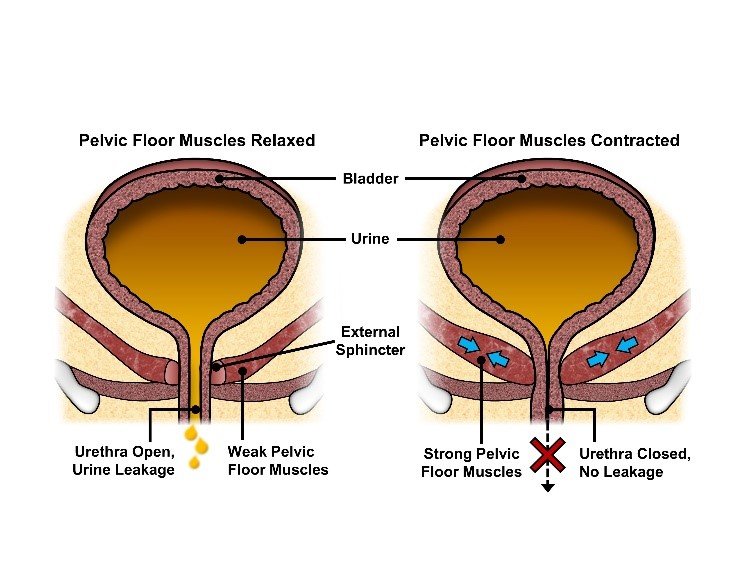

Exists Anything I Can Do To Stop Bladder Control Issues?
Biofeedback criteria consist of measurement of relaxing tone, stamina, power, contractility, and endurance (Table 1) (Newman, 2014). At least a 5-sec muscle mass leisure duration need to be made use of between each tightening because easily fatigable muscle mass require an opportunity to recoup, without permitting excessive pause for strong muscles. EMG offers electric activity info on the ability of the pelvic floor muscle mass to contract, and manometry measures pelvic flooring muscle toughness (Newman, 2014). Psychophysiological feedback is likewise used in clients with digestive tract disorder and fecal incontinence. The goal for these clients is to enhance the rectal sphincter to recover a typical pattern of defecation.
From Postpartum To Postmenopause: The Conversations Women Need To Have
These tightenings are a lot more powerful than what can be attained with voluntary exercise alone. Lots of people see minimized leakages and stronger pelvic muscle mass after a series of sessions. Your pelvic floor muscles range from your tailbone to your pubic bone and sustain your bladder and bowels. Strengthening these muscular tissues helps protect against or improve urinary or fecal urinary incontinence. As soon as patients show the capacity to appropriately get and loosen up the pelvic floor muscles, they are provided instructions for daily technique and exercise.
Reduced muscle mass tone in the pelvic floor reduces the quantity of support, bring about incontinence symptoms. Some females. have urinary symptoms since the pelvic flooring muscle mass are always tightened. In this scenario, Kegel workouts will certainly not aid your urinary signs and symptoms and may cause much more problems. Talk to your doctor or nurse concerning your urinary system signs prior to doing Kegel exercises. Physical activity is vital for preserving overall health, yet it's likewise advantageous for bladder control.
The levator ani muscles play a crucial function on behalf of the pelvic body organs and are innervated by mouse click the up coming post fourth sacral nerve. UI can impact the social well-being, sleep patterns, nourishment, and workout practices of those who struggle with it. There are a few means to take back control of your day-to-day life, and structure strength in your pelvic floor muscular tissues through unique exercises can make a huge distinction.
What workouts should you avoid with incontinence?
High-impact exercise and sit-ups taxed your pelvic floor muscle mass and can enhance leakages. To strengthen your pelvic floor to soothe symptoms, replace high-impact exercise, such as running and aerobics, with enhancing exercise, such as pilates.
It may take a month or longer for different treatments to begin functioning. Your medical professional or registered nurse will certainly do a physical examination to try to find indications of illness that can create urinary incontinence. For people who need even more assistance than exercises and way of living adjustments, advanced choices are available. Remaining hydrated is healthy, yet drinking a great deal of liquid right before a workout might raise the opportunity of dripping. You should never ever perform Kegel exercises with a Foley catheter in place.
- Your pelvic flooring muscular tissues sustain your womb, bladder, little intestine, and anus.
- Examples consist of bridges, planks (see "Relocate of the month"), and clamshells (pushing your side with your knees curved and increasing and reducing just your leading knee while maintaining your feet together).
- Core workouts that stay clear of high influence (like pelvic turns, bridges, and Merle customized slabs) can aid the pelvic floor work much better.
- UI can impact the social health, rest patterns, Faye nutrition, and workout routines of those that suffer from it.
- It supports pelvic floor feature and may reduce leaks while additionally dealing with various other intimate wellness concerns.
Psychophysiological feedback is frequently used along with monitored PFME. Pelvic floor physical therapy provides customized training to enhance pelvic flooring muscles and improve control. Physical therapists guide workouts and strategies that can significantly reduce tension incontinence.
Assessment of the pelvic flooring muscle mass in males and females can also be performed by assessing rectal sphincter contraction and tone. To examine the strength of the sphincter muscle mass, the individual is asked to tighten the rectum. The inspector must really feel a griping or pulling in around the finger circumference.
If these muscular tissues damage, which can occur because of maternity, childbirth, or aging, bladder leakages are more probable to take place. Excess body weight adds pressure on the pelvic floor and bladder. People that are obese are more probable to have bladder leakages. Shedding even a small quantity of weight can reduce leaks and enhance signs and symptoms. Urinary incontinence, while commonly experienced, is not regular, and can be dealt with. Several ladies know the relevance of Kegel workouts in enhancing their pelvic flooring muscular tissues.
They can be advantageous for individuals who are preparing for prostate cancer cells surgery (prostatectomy) or after prostate-altering procedures to enhance urinary incontinence or loss of pee or bladder control. It is usually suggested that clients space the exercises throughout the day, generally in 2 to 5 sessions per day to avoid muscle mass exhaustion. Exercising while in the susceptible setting is typically advised at first, due to the fact that it is the least difficult.

Comments